
Retail in the crosshairs: how to protect customer data effectively against cyberattacks
Point-of-sale systems, online shops, CRM and loyalty programmes - every interface is a potential entry point. Why retail is a prime target, and six steps that work immediately.
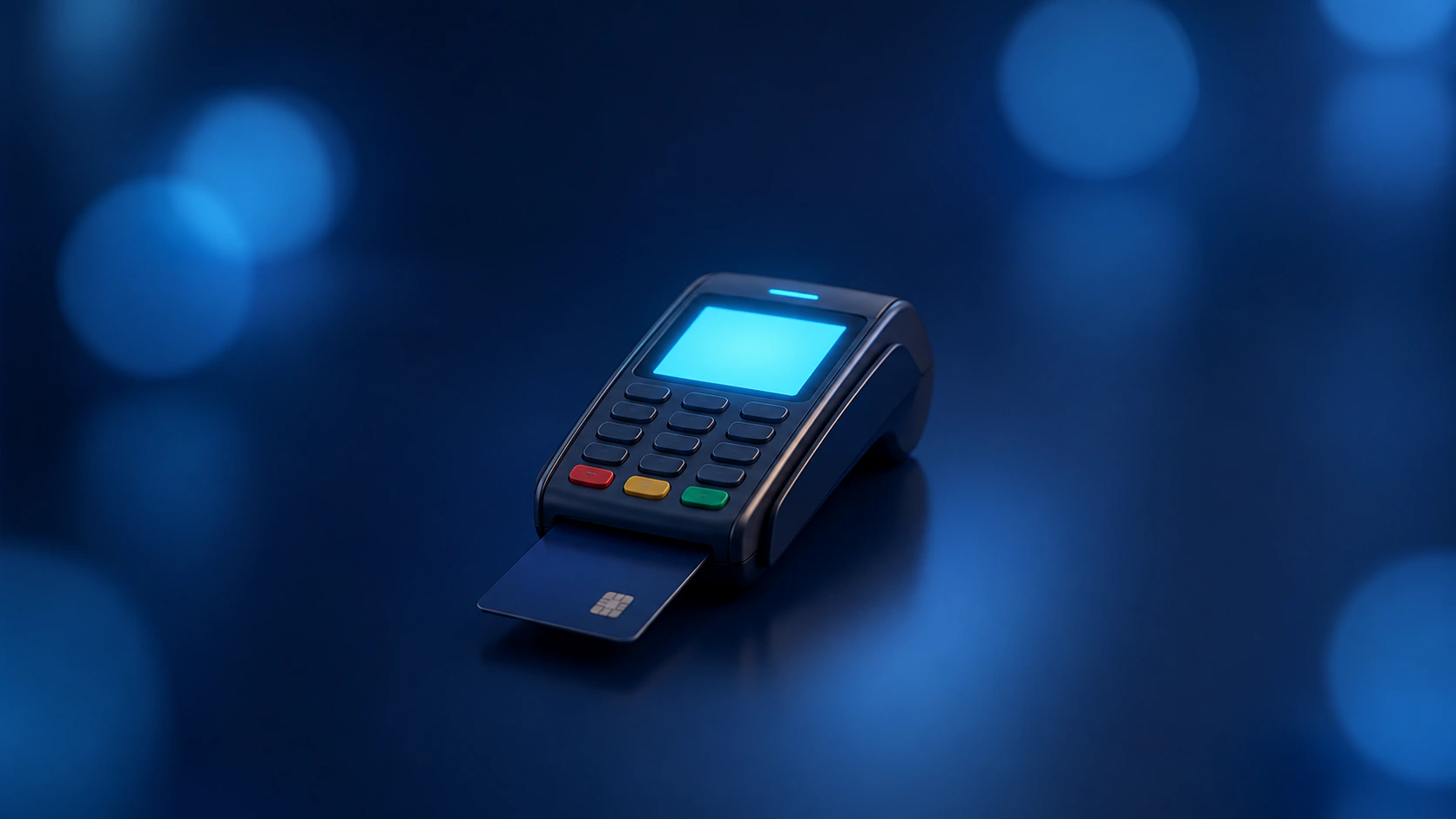
Customer data has long been the heart of modern retail - and that is exactly why it is the focus of cyberattacks. Wherever information is processed - whether in an online purchase, at the till or in loyalty programmes - potential entry points for criminals arise.
Many retailers underestimate how strongly they are affected by these attacks. An infected email attachment, a manipulated payment form or an insecure point-of-sale system can be enough to steal customer data or bring the entire operation to a standstill.
"Data security is no longer an IT detail. It decides whether a company keeps the trust of its customers - or loses it."
Alexander Maslo, Senior Technical Advisor at Sheriff Security GmbH
Why retail is such a prime target
Hardly any other industry connects as many systems with one another as retail: point-of-sale software, online shops, CRM databases, supplier portals and payment providers. What makes day-to-day business efficient also enlarges the attack surface.
A simple example: a customer orders online, pays by card, collects the order in the shop and earns loyalty points via an app. Behind these steps are dozens of technical interfaces, every single one of which can be attacked.
The most common cyber risks in retail
- Phishing attacks, which often look deceptively genuine in the name of suppliers or payment services.
- Ransomware, which blocks point-of-sale systems or entire branches until a ransom is paid.
- Manipulated online shops, through which credit card data is skimmed in the background.
- Outdated devices in the shop, such as Wi-Fi cameras or payment terminals without current security updates.
- Unprotected employee accounts, which can easily be taken over by attackers.
Six steps to greater security
Conclusion: trust is the most valuable capital
Customer data is more than information - it is a promise. Anyone who protects it secures not only their IT, but the trust of their entire customer base.
Sheriff Security supports retail companies in putting this into practice with clear analysis, tangible solutions and hands-on advice. This way security does not become a burden, but a firm component of a successful business model.

Let's talk about your security, before someone else does.
Request via a short form, prioritised and answered promptly.