
Video surveillance in apartment buildings: rights, obligations and technical recommendations
There is a fine line between the need for security and the right to privacy. What landlords may monitor, which retention periods apply, and how communication with tenants prevents conflict.
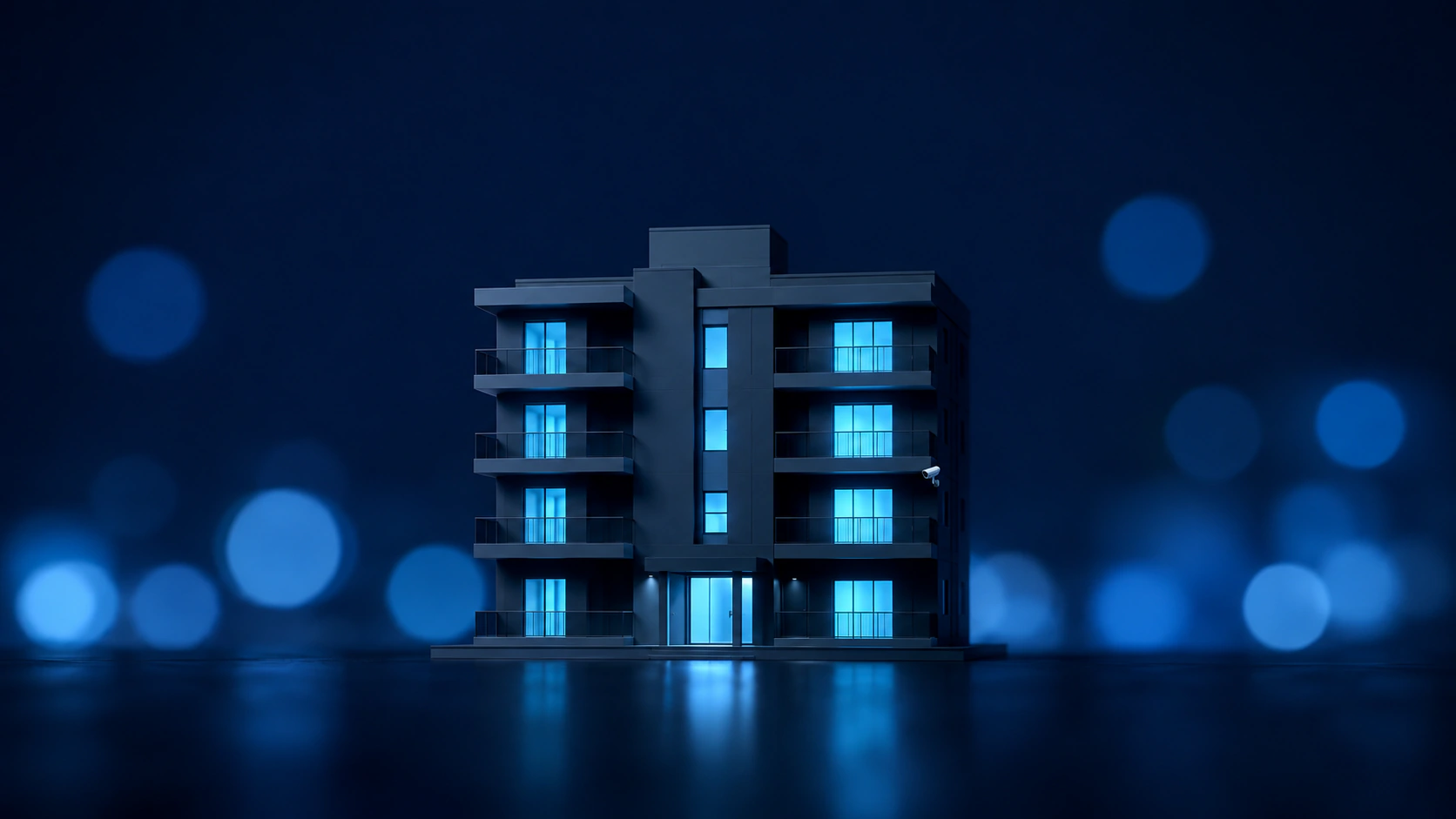
In times of growing security concerns, more and more landlords in Germany are turning to video surveillance in apartment buildings - whether to protect entrance areas, car parks or basement rooms.
But there is a fine line between the need for security and the right to privacy. Who is entitled to do what, which rules apply, and how can a legally sound and technically sensible solution be implemented?
Legal framework: what is allowed - and what is not?
In Germany, the General Data Protection Regulation (GDPR), the Federal Data Protection Act (BDSG) and tenancy and employment law provisions govern the use of video surveillance in private residential buildings. In principle:
- Permitted is the surveillance of communally used areas, provided a legitimate interest exists - e.g. protection against theft or vandalism.
- Not permitted is the surveillance of areas with a legitimate expectation of privacy (e.g. balconies, window areas, private house entrances or letterboxes).
Key prerequisites:
Technical implementation: best practices for landlords
To stay on the safe side legally, we recommend the following technical standards:
- Choose camera locations carefully: monitor only publicly accessible areas such as house entrances, underground car parks or waste rooms.
- Restrict access: only authorised persons (e.g. the property management) may access the recordings.
- Define retention periods: usually 7 to a maximum of 30 days of storage - depending on purpose and risk analysis.
- Cloud solutions with servers located in Germany or the EU: for legal certainty and data sovereignty.
Our tip: with systems using AI analysis or motion detection, the data protection implications should be evaluated with particular care.
Involving tenants: communication builds trust
Many conflicts arise from missing or unclear communication. We recommend:
- Transparent information ahead of the installation
- Warning signs in all monitored areas
- Clear rules in the house rules or tenancy agreements
- Naming a contact person for questions or complaints
Conclusion: yes to security - but with a sense of proportion
Video surveillance in apartment buildings can prevent break-ins and strengthen the sense of security - provided it is professionally planned, legally correctly implemented and technically up to date.
Anyone who instead reaches for cheap plug-and-play cameras risks legal problems and data leaks.
SHERIFF GmbH supports you in planning, implementing and maintaining data-protection-compliant video surveillance systems - from the analysis through to installation. Rely on our experience and German standards.
Let's talk about your security, before someone else does.
Request via a short form, prioritised and answered promptly.